Juvenile Arrested in San Francisco Muni Gay Bashing Case
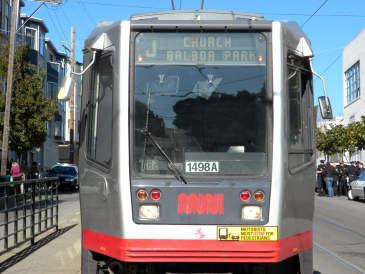 San Francisco, CA – The San Francisco Police Department has arrested a 15-year-old boy in an alleged gay bashing on the Muni, August 14. Zachary Davenport, a 26-year-old gay man, was accosted at the J Church Street Station by a mob of 18 to 20 young men, shouting anti-gay epithets at him. Davenport was jostled, hit in the back of the head, and punched repeatedly in the face. He dropped his cell phone, which was taken by his main assailant. The suspect was arrested by the San Francisco Police Department Hate Crimes Unit on Friday, August 20, for suspicion of battery, possession of stolen property, and hate crime, according to Bay City News. Muni trains are equipped with surveillance cameras, and the attack on Davenport was captured on video. Police say that the suspect was clearly seen in the recording of the assault. He was recognized in still shots captured from the surveillance video by officers from the Juvenile Justice Center because of “prior contacts” with the youth, according to SFPD spokesperson, Officer Albie Esparza. Davenport also saw the video of the attack, and identified his assailant. Since the suspect is a juvenile, his identity is not being released to the public. The San Francisco Examiner reports that the other youths involved in the incident were supporting the main attacker and cheering him on. They are not being sought at this time.
Second Sentence in NY Hate Crime Murder: Phoenix Gets 37 Years to Life
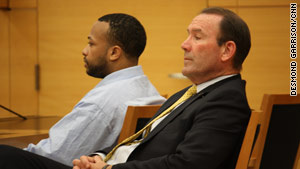
Keith Phoenix (l) in court
Brooklyn, NY – Keith Phoenix won’t be on the street again for a long time: 37 years to life, for the brutal hate murder of José Suchuzhañay in December 2008. Phoenix wielded an aluminum baseball bat at the Ecuadorian immigrant’s head. In a later remark to police, Phoenix exhibited the callous attitude behind the murder: “So I killed a guy,” he said. “Does that make me a bad person?” The jury convicted him in early August of a hate crime as well as of murder, taking into account the defendant’s homophobic and anti-Hispanic remarks at the time of the slaying. His accomplice, Hakim Scott, received a 37 year sentence earlier in the year for his role in the attack and murder. The murder of Suchuzhañay enflamed the LGBTQ community and ignited an international outcry. Suchuzhañay had lived in the United States for over a decade, and was a legal resident. Though the victim was not gay, his assailants believed he was–another in a long line of incidents demonstrating the lethal potential still at work against the LGBTQ population in America. The Ecuadorian community in the United States has expressed some satisfaction with the verdicts against their countryman’s slayers, and has called for continued vigilance as immigrants are targeted for discrimination and harm. Diego Suchuzhañay, José’s brother, said to CNN, “Our brother wanted to make history when he died, and he did already. We should be proud of him. The way he died, we should be proud of him.”
Gays Murdered at 2nd Highest Level in a Decade
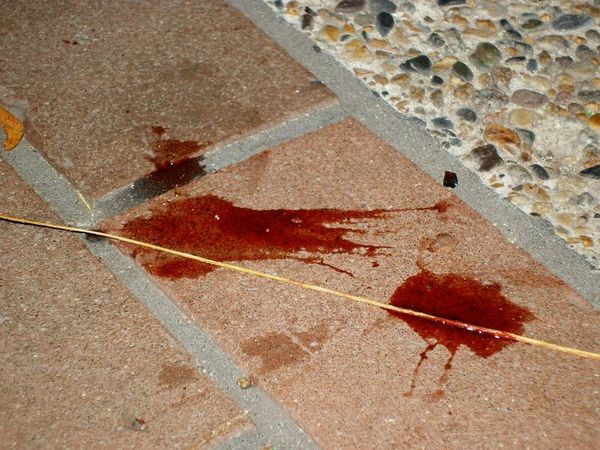 New York, New York – Anti-gay hate crime murders reported for 2009 spiked up to the second highest level in a decade, according to the recent Hate Crimes Statistics Report of the National Coalition of Anti-Violence Programs (NCAVP). The press release in its entirety may be found here. 22 murders of LGBT people were reported by law enforcement agencies around the nation last year. Communities of color and transgender persons were the hardest hit, a grim trend to watch carefully in the coming months. 79% of anti-gay murder victims were people of color, and the majority of them were transgender women. The vast majority of attackers were men (77%) and were strangers to the victims they attacked (40%). Community United Against Violence’s Maria Carolina Morales noted in a conference call with the Bay Area Reporter that there continues to be “severe and persistent violence” against LGBTQ communities.” Ms. Morales, based in San Francisco, emphasized that “people of color, transgender women, and others continue to be disproportionately targeted for violence.” The report of the NCAVP shows that the highest incidence of physical attacks against LGBTQ people took place in October 2009 to coincide with the passage of Federal Hate Crimes legislation, the James Byrd, Jr. and Matthew Shepard Hate Crimes Prevention Act. The heightened media profile of the gay community is thought to account for the spike in numbers. As the press release states, there is a troubling correlation between “increased visibility and increased vulnerability.” Another alarming finding is that though the total of 2009 anti-gay hate crimes reports has dropped around 12% over the previous year, the NCAVP believes this does not mean that the actual numbers of physical bias attacks lessened last year. The drop took place because of cut-backs in funding to support reporting at the state and local levels. Lisa Gilmore of Community United Against Violence, a San Francisco-based organization reporting in this year’s findings, told the Bay Area Reporter, “During the past year, NCAVP member organizations lost crucial staff and programming in the wake of the [national] fiscal crisis…We believe that this drastically limited the ability of LGBTQ people to report violence and access support.” The NCAVP report made several recommendations for the coming year, including restoring funding to local, state and federal anti-violence programs, community-initiated efforts, and deliberate and consistent inclusion of LGBTQ people in research studies.
Terlingua Hate Rapists Still Unpunished
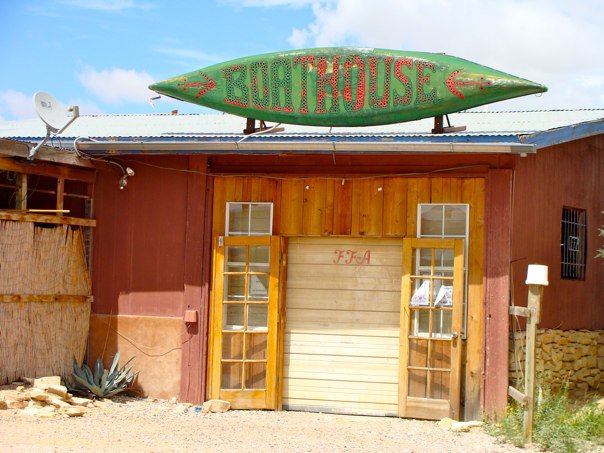
Boathouse Bar, Terlingua, Texas where two alleged rapists kidnapped their victim (Stephen Sprinkle photo)
Brewster County, Texas – Two alleged power rapists in Far West Texas, jailed since December 2009, have yet to face pre-trial proceedings in the abduction and repeated rape of a high school senior from Terlingua. Terlingua, near the Mexico border and Big Bend National Park, is remote–80 miles from Alpine, and 330 miles from El Paso. On the night of December 6-7, 2009, Daniel Martinez, 46, and Kristapher Buchanan, 27, allegedly abducted an 18 year old bisexual male at a bar and game room, stole the car he was living in, and traveled into the far desert to a shack in the Terlingua Ranch section of Brewster County where they brutally beat, demeaned and sexually assaulted their victim as they shouted anti-gay epithets. The assailants torched the victim’s car, burning up all his worldly possessions. As the young man tried to retrieve precious items, he was severely burned. After a second round of brutal rape, the attackers sunk into a drunken stupor, allowing the victim to escape into the desert at about 2 AM. He walked over three miles in the pitch dark through rough desert terrain wearing flip flops, pajama bottoms, and a tattered tee shirt in freezing temperature, finally making it to Highway 118 where a Sheriff’s Deputy found him and transported him to medical attention in Alpine. The identity of the victim is protected under Texas law since he was the victim of a sexual assault, and the case against his alleged assailants is still in process. Power-rape has been employed since time immemorial to subdue and shame victims. Residents of the area believe the assailants have a pattern of such activity involving young victims, and reports suggest the pair have used alcohol and intimidation to harm at least one 15-year-old boy in the region, as well. Although the case has the classic marks of an anti-gay hate crime, law enforcement has not filed charges under the Texas hate crimes law, named for James Byrd, Jr. as is the federal law now in force. Harry Knox, Director of the Religion and Faith Program of the Human Rights Campaign in Washington, D.C., and Dr. Stephen Sprinkle, professor at Brite Divinity School and Director of the Unfinished Lives Project, traveled to Brewster County to carry out a “ministry of presence” to officials involved in the case. Knox and Sprinkle arrived in Brewster County on July 7 and spent three days interviewing citizens and calling on authorities in order to communicate the interest of Texas and the nation in the hate crime, and in the welfare of the young victim. Clarence Russeau, Community Education and Outreach Specialist with the Family Crisis Center of the Big Bend, Inc. of Alpine and Terlingua, hosted Knox and Sprinkle, arranged appointments in the region, and served as guide throughout the visit. The trio visited the Alpine office of Texas State Representative Pete Gallego, 20 year veteran of the Texas Legislature, Jesse Gonzales, District Attorney in the case at his Fort Stockton office, President Ricardo Maestas of Sul Ross State University in Alpine, attorney for the victim, Jennie Fannin at her Alpine office, and the Terlingua branch of the Family Crisis Center where they met with Director Lovika De Koninck. At each stop, Knox, Sprinkle and Russeau emphasized the need for the community to hold local school, law enforcement, and higher education officials to a high standard of accountability in the hate crime case. Citizens of Terlingua told the visitors that the victim was well-known to them, and he has their full support as he recovers from his trauma. Over 200 residents of Terlingua protested the low bail assigned to the young victim’s alleged assailants, and sent a petition to the district attorney demanding the bail be raised. Ms. De Koninck said that the young man would have a warm welcome when he returns to Terlingua. Citizens told the trio that the victim had been shunned by his family because of his sexual orientation, and though he had only his car to live in, he continued to support himself with a job at a local café, and faithfully attended school. Initially, however, the superintendent of schools in Terlingua, Kathy Killingsworth, allegedly ordered the victim to leave school before he could graduate because she did not want his orientation or the crime perpetrated against him to be discussed in the schools she oversaw. Due to pressure from the community, the superintendent, who is also a Brewster County Commissioner, apparently reconsidered her position, and will now allow the victim to complete requirements for his diploma, according to local reports. No trial date has yet been set in the case, though the district attorney suggests that it will be before the end of the year. Both the FBI and the U.S. Justice Department have been notified about the crime. Knox and Sprinkle have pledged to monitor the situation from Dallas and Washington, and communicate with officials regularly to ensure care for the young hate crime victim and a speedy and just trial for the defendants in the case.
Ball Bat Killer Guilty of Murder As A Hate Crime in Brooklyn

Keith Phoenix Found Guilty
Brooklyn, NY – Just seven hours after the jury was sequestered on Monday, José Sucuzhañay’s prime attacker, Keith Phoenix, was found guilty of second-degree murder as a hate crime. When he is sentenced on August 5, Phoenix will face a possible 25 years to life in prison for his role in bludgeoning Sucuzhañay to death with an aluminum baseball bat on December 7, 2008 in the Bushwick section of Brooklyn. City officials and the Sucuzhañay family expressed relief and satisfaction with the verdict. The first trial was aborted when a holdout juror refused to co-operate with the process, alarming both the immigrant rights and LGBTQ communities that Phoenix might squeak through the legal system with little or no punishment for one of the most brutal hate crimes in recent New York history. Phoenix’s accomplice, Hakim Scott, was found guilt of manslaughter and aggravated assault on May 6, but escaped the hate crime enhancement when the jury set aside the charge. The Scott decision drew a storm of criticism, so the eyes of many were focussed on what the jury would do in the Phoenix case. As reported by the NY Post, José’s brother, Diego Sucuzhañay, standing at the corner of Bushwick Avenue and Kossuth Place, now renamed “Sucuzhañay Place” in memory of his brother, congratulated the jury for its work. “We were afraid we would not get justice. The first time the mistrial and our family had to go through this process, this painful process. But we wanted justice for the death of our brother,” he said, with his other brother Romel standing beside him. Also quoted in the Post, Brooklyn District Attorney Charles Hynes said, “Just hours after this horrible tragedy, I came to this location and I pledged that the people who did this horrible thing to Jose would be found be convicted and the only way they would come out of prison would be in a box. I’m here today to reaffirm that,” the D.A. concluded. For his part, Phoenix, 30, who had not expressed any remorse for what he did, was taken aback by the verdict, according to the Gay City Times. “I think he’s kind of surprised by this result,” Philip J. Smallman, Phoenix’s attorney, said of his client, following the announcement of the verdict. Phoenix never entertained the thought that he would be convicted of a hate crime. Smallman has declared that he intends to appeal the verdict on Phoenix’s behalf. Because Scott and Phoenix targeted José and Romel for being “Spanish” and “faggots” as they huddled together against the Brooklyn winter, the case drew together two unusual groups of allies, immigrants’ rights advocates and LGBTQ human rights activists. Though the Sucuzhañay brothers are heterosexual, mistaking their sexual orientation as gay has helped sensitize the Latino/a community to the shared sense of injustice experienced by LGBT people in the United States and Ecuador.
Dallas Marches to Remember Stonewall
 Dallas, TX – Hundreds rallied and marched through the skyscraper canyons of Dallas Sunday night to remember the 1969 Stonewall Rebellion, and to fight for human rights. The Stonewall Rebellion 41st Anniversary March and Rally formed at Founders Plaza near the famous JFK memorial, and marched though downtown Dallas, shouting “Harvey Milk was right/Come out of your closets and fight!” Marchers from throughout North Texas, as well as contingents from Lubbock and Tyler filled the streets with the sounds of activism. The route was chosen to maximize exposure to Dallasites throughout the downtown business and residential areas, and the sidewalks were lined with office workers, bus stop patrons, and café diners throughout the Main Street Corridor, even on a Sunday night. Media including the Dallas Morning News and the Dallas Voice, as well as other media outlets covered the event. Speakers including Jesse Garcia, C.D. Kirven, Michael Robinson, Nonnie Ouch, Rafael McDonnell, and Daniel Scott Cates gave powerful messages to the LGBTQ community as well as elected officials on the local, state and federal levels. They called for the overthrow of DOMA, the repeal of DADT, passage of a transgender-inclusive ENDA bill, and full Marriage Equality. The Rainbow Lounge Raid in Fort Worth last year was a continuing theme of the evening as well. Dr. Renee Baker of Youth First Texas called on marchers to support LGBTQ youth, especially in view of how vulnerable they are. Keynote speaker, Dr. Stephen Sprinkle, professor at Fort Worth’s Brite Divinity School, and Director of the Unfinished Lives Project, summed up the speeches with a call to remember Stonewall and act to expand human rights not only for the LGBTQ community, but also for other minorities, as well. Responding to the noisy Religious Right protestors who kept berating Rally attendees with loud preaching and scripture proof texting, Dr. Sprinkle reminded them that “whoever says they love God and hate their brothers and sisters is a liar, and the truth is not in them!” Spencer Young gave a moving testimony to those who have died violently at the hands of hatred and homophobia during the concluding Vigil portion of the program. He recounted the story of Nicolas West, murdered in Tyler in 1993 because he was gay. Tyler, he reported, has no memorial to West, who was shot multiple times by his murderers and left to die in a clay pit outside of town. But the Tyler community, where traditional values and negative attitudes toward LGBT people has predominated in the past, staged “The Laramie Project” in West’s honor, giving him a living memorial through the famous stage play recounting the aftermath of Matthew Shepard’s murder in Laramie, Wyoming.
Hate Crime Murder Trial Resumes in Brooklyn

Keith Phoenix: "So I killed a man? Does that make me a bad person?"
Brooklyn, NY – Keith Phoenix, alleged murderer of Ecuadoran immigrant José Sucuzhañay, is in a Brooklyn court again after a mistrial. Phoenix and his co-attacker, Hakim Scott, took offense at José and his brother, Romel, as they walked arm-in-arm on a freezing night in December 2008. Hurling epithets at the Ecuadorans for being Hispanic and “gay” (in fact, neither of the brothers are gay), Scott assaulted José with a beer bottle, and Phoenix allegedly delivered the coup de grace with an aluminum baseball bat. Scott received a sentence in the Spring for manslaughter, escaping hate crimes charges. When a juror in Phoenix’s first trial refused to continue, the judge in Brooklyn Supreme Court declared a mistrial. There seems little doubt that Phoenix is guilty. A toll booth camera caught the pair of assailants smiling and laughing as they fled the scene of the crime. Witnesses stand ready to testify again that the bat attack was so brutal and bloody the taxi driver witness had to avert his eyes from the scene. And Phoenix himself seems to be doing all he can to get himself convicted, too. In a confession taken by a detective at Phoenix’s arrest recorded the defendant as asking, “So I killed somebody. Does that make me a bad person?” Well, yes, as a matter of fact, it does, in the opinion of the Unfinished Lives Project Team. Critics of how the courts in Brooklyn have been handling this case look to the Phoenix trial as a way of redressing what appears to be a severe disrespect for Latin American immigrants and LGBT people. The main defense Phoenix is mounting is that too much alcohol led him to do what he did. He has yet to show any remorse for his actions. Keith’s attorney has suggested that his client feared that the victim might have a weapon in his waistband, and that José was the one who started the fight. When José M. Arrufat Gracia, the lawyer for the Sucuzhañay family heard these allegations, he said, “We definitely believe those allegations are insulting to the victims, alleging that the perpetrators were acting in self-defense.” Perhaps a prison term of decades will assist him to develop the self-restraint he could not exercize two years ago when he bludgeoned an innocent man to death, and the remorse for a hate crime he seems incapable of understanding today.
Another Horrific Trans Murder in Puerto Rico: Anti-Trans Violence Epidemic Continues

Corpse of slain transwoman transported to coroner (Primera Hora photo/ David Villafañe)
Caguas, Puerto Rico – In less than two months, police in Puerto Rico are investigating the savage murder of another transgender woman. Angie González Oquendo, 38, was found strangled to death with an electrical cord in her home in Caguas. Police have not yet designated the murder as a hate crime, but LGBT activists familiar with the outbreak of anti-LGBT violence in Puerto Rico are calling for a full hate crime investigation. EDGE Boston reports that the last time Ms. González Oquendo was seen alive was May 20. Investigators believe she was murdered later that same day. El Nuevo Día reports that the body of the slain transgender woman was found when neighbors reported a repugnant odor coming from her apartment. Though Ms. González Oquendo’s father believes that her boyfriend murdered his daughter, Pedro Julio Serrano of the National Gay and Lesbian Task Force said to reporters that a hate crime investigation must be launched nonetheless. Speaking to EDGE, Serrano said, “At the very least, I suspect that a crime could have been committed by prejudice against the victim’s sexual orientation or gender identity. The authorities have an obligation under the law to investigate this hate angle.” Angie González Oquendo is the most recent in a grim series of anti-LGBT hate murders in the United States Territory. Five weeks ago, police discovered the body of Ashley Santiago Ocasio who had been stabbed to death in her home in Corozal. In November of last year, Jorge Steven López Mercado’s decapitated, dismembered and partially immolated body was found on a lonely rode outside Caguas. His murderer, Juan Martínez Matos, was sentenced to 99 years in prison after pleading guilty to the Silence-of-the-Lambs-style killing. The transgender community in Puerto Rico is understandably on edge as this latest news of murder sweeps through the population. Transgender people are among the most vulnerable citizens of the island paradise, and transphobic murder is emerging as a substantial indicator that such violence is reaching epidemic proportions. EDGE reports that Guillermo Chacon, president of the Latino Commission on AIDS, issued a statement just as the story of Ms. González Oquendo’s brutal murder broke in the press. In part, Mr. Chacon said, “I urge the Latino community to be united as one voice and with our personal actions reject any type of homophobia, transphobia and discrimination. We are one family; we must pursue the well-being of all our members. We must address homophobia and transphobia by putting a stop to the jokes, slurs, discrimination and hatred faced by our LGBT brothers and sisters, not just in Puerto Rico but across the entire country. Hatred and violence is never the answer.”
Dallas Police To Investigate Cedar Springs Area Ball Bat Attack as a Hate Crime
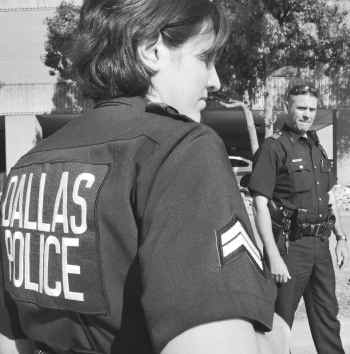
photo courtesy Dallas News
Dallas, TX – In an important change in attitude and approach concerning the late Friday night/Saturday morning assault on two gay men by bat swinging attackers, the Dallas Police Department has released a statement dated May 17 indicating that the case is to be investigated as a “hate crime.” Apparently, a combination of rational reasoning and responsiveness to a groundswell of protest in the LGBT community led authorities to change course on this dangerous incident just two and a half blocks from the main gay entertainment district in Dallas. The Cedar Springs-Wycliff corridor has been particularly violent in recent months, and has a particularly bloody history of anti-LGBT attacks and murder stretching back over two decades. Historically, homophobic elements have targeted gays and lesbians in the “gayborhood,” and this most recent attack is an ominous sign that young men who are hateful, ignorant and insecure are coming to the neighborhood to locate victims again. Police initially told WFAA.com that the baseball bat beating of Kyle Steven Wear and his companion Alex would not be investigated as an anti-gay hate crime, since the pair were robbed. Both victims reported to police and the media that they were not only assaulted physically, but were subject to hate speech during the attack, being called “faggots” among other derogatory slurs by their assailants. Most current merchants and visitors to the gay entertainment district are unaware that the Oak Lawn-Cedar Springs-Reverchon Park area of Dallas has been bloodied far too often by violence against LGBT people. In 1988, John Griffin and Tommy Trimble, two gay men, were picked up at the Crossroads by Richard Lee Bednarski, an 18-year-old high school student from Mesquite, who drove them the short distance to Reverchon Park where he shot them to death. The judge in the case gave Bednarski only a 30-year sentence for the cold-blooded murders, commenting that the killings were insignificant since the victims were gay. In 1991, Thanh Nguyen and Hugh Calloway were gunned down by Corey Ardell Burley, 20, and two other accomplices at Reverchon Park. Calloway survived to testify against Burley, but Nguyen, a Vietnamese immigrant to the Dallas area, died as a result of his wounds. Initially, Dallas police refused to classify the murder as hate-motivated, but Burley confessed that he targeted the gay men because they were “weak.” Jimmy Lee Dean, a self-identified bisexual man, was nearly killed in 2008 by 26-year-old Bobby Jack Singleton and 31-year-old Jonathan Russell Gunter, both of Garland, at the corner of Dickason and Throckmorton Streets. Robberies and assaults by thugs targeting young gay men along the Strip are far more frequent than merchants and residents would care to admit, including an attack on a minor on Cedar Springs in the early Spring of this year whose complaint to Dallas police was minimized because, as one officer told the youth, he was just a “drunk little faggot,” and deserved what he got. It is some measure of hope that the Dallas Police have either chosen to change their approach to the homophobic robbery of the two most recent gay victims of violence in the gayborhood, or have been coerced into it by the growing outcry from the local LGBT community. In part, the Dallas Police Department bulletin entitled “Weekend Robberies to be Investigated as Hate Crimes” reads: “Early Saturday morning just after midnight, two 28 year old males were walking to a nightclub in the 2700 block of Throckmorton Street when they were confronted by four unknown Latin male suspects. Two of the suspects were carrying bats. All four suspects began to beat the victims with the bats and their hands while robbing the victims of their property. Both victims sustained non life threatening injuries. These offenses are documented on case numbers 134186-X and 134193-X. Based on derogatory statements made by the suspects during the commission of the robberies, these two offenses will be investigated as hate crimes. There have been no suspects identified at this time and detectives are continuing to interview witnesses.“
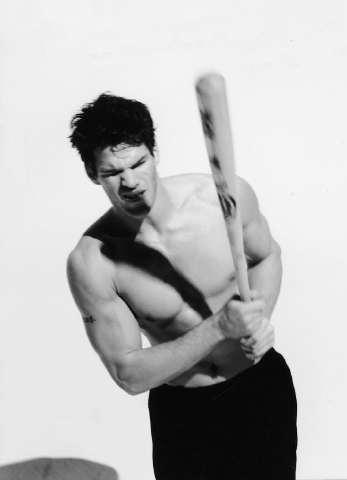
Ball Bat Attackers Immune from Hate Crimes Charges?: Authorities Backpedal on Anti-Gay Violence
Big Stick Combat photo
Dallas, TX – What does a midnight assault on two Dallas gay men Friday have in common with a December 2008 fatal attack on two Latinos mistaken as gay in Brooklyn, New York? Two things: first, both attacks were carried out by homophobes yelling anti-gay slurs as they swung baseball bats at the heads of their victims; and second, police in both cases classified neither assault as an anti-hate crime. What gives? What does it take to get officers of the law to prosecute hate crimes under existing hate crime statutes? While Dallas and Brooklyn are 1370 miles distant from each other and worlds apart culturally, they both have law enforcement resistant to investigate crimes against gay men as bias-motivated. The 2008 Brooklyn murder of José Sucuzhañay serves as an eerily familiar backdrop to the current Dallas attack on Kyle Steven Wear and his friend Alex. Like Dallasites Kyle and Alex, the Ecuadoran immigrant brothers José and Romel were walking together down the street in the wee hours of the night. The Brooklyn crime was carried out by two assailants swinging a broken beer bottle and an aluminum baseball bat, yelling anti-gay and anti-hispanic epithets. Trials in the Sucuzhañay case are proceeding right now in Brooklyn, where Hakim Scott has just been convicted of first-degree manslaughter, and his accomplice, Keith Phoenix, awaits an new court date since the New York judge dismissed all hate crimes charges and declared a mistrial because of a juror in the first Phoenix trial who refused to participate any further. The Brooklyn ball bat attack left José lingering five days in a coma from a broken skull before he died. The consensus of the supporters of Sucuzhañay family, outraged city officials, and the metropolitan New York media is that this ugly, brutal attack took place because Scott and Phoenix targeted two Hispanic men whom they mistook for gay because they didn’t like the way they looked. Wear and his friend Alex (last name still unreleased) were much more fortunate. As they walked along in the southwestern part of the Cedar Springs gay entertainment district in Dallas, “the gayborhood,” headed for the bars, four assailants only identified as Latinos wearing white tee-shirts, blindsided the pair shouting “Faggots, give us your fucking wallets!” according to WFAA News. Wear told WFAA on camera that he was knocked unconscious and his jaw was broken by one of the attackers swinging a ball bat. His friend, Alex, reported that he feared for his life as the homophobes forced him to the ground. The Dallas Police are refusing to classify the case as a hate crime, contending instead that the motive was to rob the gay men. But Alex isn’t buying it. He told Jonathan Betz of WFAA, “I still feel like that was why we were targeted in the first place, because we are gay. It was like it was funny to them.” John Wright of the Dallas Voice is outraged that the authorities have resisted investigating the Dallas ball bat assault as an anti-gay bias crime. In a May 16 post for the Dallas Voice blog, Instant Tea, he writes, “Despite the fact that the suspects yelled anti-gay slurs as they beat the victims with baseball bats, Dallas police have not classified the incident as a hate crime, which is an outrage.” Wright points out that Jimmy Lee Dean was nearly beaten and stomped to death in the same general neighborhood by two homophobic attackers in July 2008. Wright then shows that regardless of the refusal of Dallas law authorities to enforce Texas hate crimes law, federal hate crimes protections should kick in. The James Byrd, Jr. and Matthew Shepard Hate Crimes Prevention Act of 2009 classifies a hate crime as motivated in whole or in part by anti-LGBT bias. One major determining criterion of an anti-gay hate crime for the FBI is the use of epithets as the perpetrators carried out the crime. Anti-LGBT hate crimes are like the rest of life: seldom pure and simple. Other motives often accompany hate violence against gays, lesbians, and transgender persons: robbery, drugs, racism and sexism, to name a few. But homophobia and heterosexism, like a sinister bass line in a libretto, thread throughout all anti-LGBT hate crimes cases, targeting people who are assumed to be inferior, impure, and abominable because of their perceived sexuality. In Dallas and in Brooklyn, it seems baseball bats and anti-gay epithets are not enough to launch hate crimes prosecutions. Are anti-gay sluggers simply immune in Texas and New York? Again we ask, What does it take to get officers of the law to prosecute hate crimes under existing hate crime statutes? It takes an outcry from LGBT people and their allies so that law enforcement will not be permitted to backpedal on hate crimes against members of the sexual minority without a stink being raised to high heaven. If police and prosecutors are unfamiliar with what LGBT bias crimes are, they are responsible to educate themselves. If they are being intentionally obstructionist, then the mayor and the city council need to replace them with officials who will carry out the law.
About
If you are a first-time visitor to the Unfinished Lives Project website, we invite you to read A Welcome Message introducing you to our project. We are truly grateful for your visit.
The Unfinished Lives Project website is a place of public discourse which remembers and honors LGBTQ hate crime victims, while also revealing the reality of unseen violence perpetrated against people whose only “offense” is their sexual orientation, gender identity, or gender presentation. LGBTQ people in the United States are suffering a slow-rolling decimation of terror and murder all across the country. Every locale and demographic of society are affected: First Nations, Anglo, Black, Latino and Latina, South and Southeast Asian, Transgender, Bisexuals, Gay men, Lesbians, disabled, young, and mature. Homophobia has a long, crooked arm, and it is reaching out to snatch the life away from women and men whose tragic stories are under-reported to begin with, and whose memories are swiftly forgotten.
The horror of these killings transcends the shock and bereavement of loved ones and friends. These are not typical homicides; they are not killings for money or drugs, incidents of domestic strife, or crimes of passion. The vicious nature of hate crimes against LGBTQ persons is extremely brutal, grotesquely violent, and egregiously hateful.
Each murder serves the LGBTQ population as a sobering warning about the actual level of danger in our communities. The message these killings send is that freedom and open life for LGBTQ people is a cruel dream. Every time we remember one of these victims, however, the intentions of their killers are frustrated. To remember these women and men is to begin the process of changing the culture that killed them.
Our Project Director
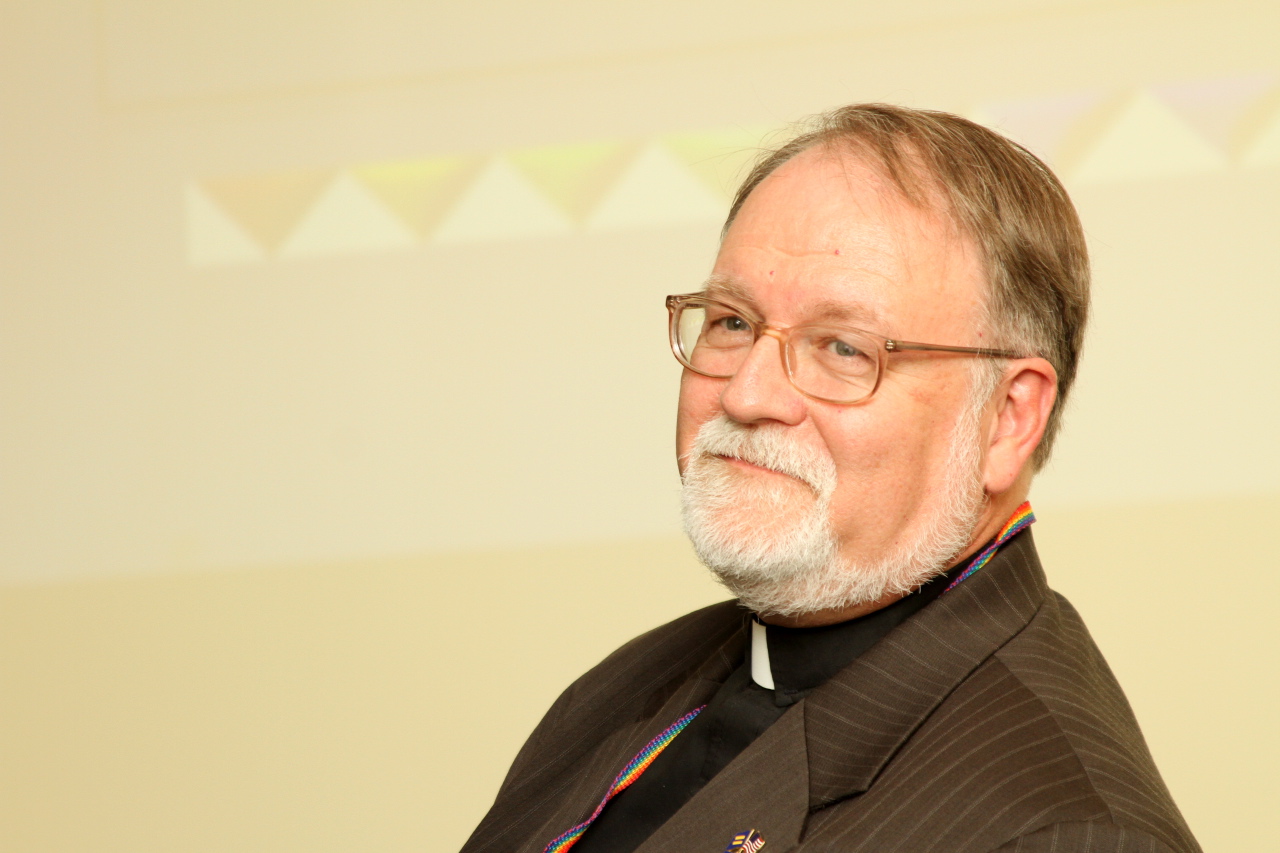
Dr. Stephen V. Sprinkle (Keith Tew photo).
Stephen V. Sprinkle is Director of Field Education and Supervised Ministry, and Professor of Practical Theology at Brite Divinity School, Fort Worth, Texas, a post he has held since 1994. An ordained Baptist minister, he is the first open and out Gay scholar in the history of the Divinity School, and the first open and out LGBTQ person to be tenured there. Read More…
Recent Social Justice Advocacy Activity By Dr. Sprinkle
 Summer 2009 – Dr. Sprinkle responded to the Fort Worth Police Department and Texas Alcoholic Beverage Commission Raid on the Rainbow Lounge, Fort Worth’s newest gay bar, on June 28, 2009, the exact 40th Anniversary of the Stonewall Rebellion. Dr. Sprinkle was invited to speak at three protest events sponsored by Queer LiberAction of Dallas. Here, he is keynoting the Rainbow Lounge Protest at the Tarrant County Courthouse on July 12, 2009. Read More…
Contact Us
Communicate with the Unfinished Lives project team:
info@unfinishedlivesblog.com


Schedule a Presentation
Dr. Sprinkle will gladly present his acclaimed presentation to your organization. To arrange an Unfinished Lives presentation for your organization or group, please contact us.
Dr. Sprinkle has given his Unfinished Lives presentation to these and other community groups and organizations. Read More…
-

Where are our readers?
Publisher: Steve Sprinkle (Project Director)
Steve Sprinkle
Unfinished Lives: Remembering LGBT Hate Crime VictimsBrite Divinity School/Texas Christian UniversityFort Worth TXprofessor, minister, author, blogger, LGBTQ advocate


Follow Unfinished Lives on Facebook
 Box Turtle Bulletin
- An error has occurred; the feed is probably down. Try again later.
- HRC Back Story
- Know About The Gender Identity Movement
- Why Is There A Need For Human Rights?
- Kinds Of Human Rights
- Human Rights Purposes And Violations
- Human Rights For Every Human Incident
- 8 Reasons Human Rights Are Important
- Everything About Human Rights
- Human Rights Issues Education & Law
- We Need To Stand Up For Our Rights And Those Of Others
- Coca-Cola Receives Perfect Score On Human Rights
- The Advocate: Daily News
- Boston University removed Pride flags. Backlash forced its president to back off
- Transgender Latina beaten outside Washington LGBTQ+ bar after helping man recalls attack
- Georgia educator says she was forced to resign after telling student she’s gay
- Ohio teacher sues over removal of ‘Hate Has No Home Here’ poster
- Texas wants Bibles in public classrooms as another way to bully, harm, and exclude LGBTQ+ kids
- These anti-LGBTQ+ Georgia Republicans did drag themselves, unearthed photos show
- Idaho said no Pride flags permitted. Boise said watch this
- Advocate newsletter 4/8/26
- Trump halts Iran strikes ‘for two weeks’ at last minute, claims ceasefire
- Urgent 25th Amendment calls grow after Trump threatens mass destruction of Iran's civilization
- Dallas Voice: Instant Tea
- An error has occurred; the feed is probably down. Try again later.

 Unfinished Lives
