Murdered NJ Transwoman Disrespected Even in Death
 Maplewood, NJ – A 28-year-old transwoman who worked as a model was shot to death at a private residence in Maplewood, New Jersey on September 12. Victoria Carmen White, 28, was beautiful, talented, and greatly beloved by her friends. The transgender community and their allies are up in arms at the news of her murder, which is still under investigation, because initial reports by authorities and news media mis-identifed her by her birth identity as a male. Only after an outcry from the public was Ms. White’s identity corrected by the Maplewood Police and the Essex County Prosecutor’s Office. This statement was released to the press: “Following an examination by the Medical Examiner and further investigation, it has been confirmed that the victim was a post-operative transgender female having undergone sex reassignment surgery.” Calling the act of mis-identification an act of gross disrespect and “erasure,” the trans community is launching an effort to educate both straight and gay communities about the demands of human dignity transpeople need and deserve in today’s world. As Bird of Paradox wrote following the act of mis-identifying Ms. White as male: “That a society has such contempt for transsexual women that the first thing it does after we die is attempt to impose on us an identity which isn’t even legally ours, let alone one in which we lived, speaks volumes about the depth and intensity of insensitivity and downright hatred which we face each and every day of our lives.” The facts of the case are few. Ms. White was shot at approximately 5 a.m. on the morning of September 12 at an apartment complex located at 159 Jacoby Street in Maplewood, an upscale city of 22,000 named as “one of the most desirable places to live in America.” Incomes are generally high, and numbers of people living in poverty in Maplewood are low. The city is picturesque enough to be the setting for several recent films, such as Garden State, One True Thing, and Stepmom. Columbia High School, where Ms. White attended, is the birthplace of Ultimate Frisbee, and proudly displays a plaque to that effect. While the crime has not been labeled an anti-transgender hate crime by authorities, it is difficult for Ms. White’s friends and the trans community to believe that a significant aspect of the motive for the murder could not be transphobia and gender hatred. An outpouring of grief and admiration has come from friends throughout New Jersey for the beautiful woman many knew as “April.” Her longtime friend, Angela DeRocco, wrote about her determination to be who she was, no matter the misunderstanding she received since her days as a student at Columbia High School. “She did what she had to do to get through life and she didn’t care what anyone thought of her,” DeRocco wrote for Maplewood Patch. “If they did think negative, she just brushed it off her shoulders because she knew the ones who truly cared about her wouldn’t judge her and would always be there for her.” DeRocco continued, “I love her so much and respect her for keeping true to herself. She worked so hard becoming who she was, and it made her happy.” In the media frenzy since the death-by-bullying of Rutgers freshman Tyler Clementi and so may other gay teenagers throughout the country, the outrageous murder and blundering (perhaps deliberate) mis-identification of Victoria Carmen White should not be forgotten. Pam’s House Blend, as usual, has done a great service by lifting up this sad story in the days running up the the Transgender Day of Remembrance in early November. Bird of Paradox leaves us with the question of justice for all transpeople in the wake of Ms. White’s murder: “If the authorities – having insisted we jump through all these flaming hoops in order to be considered the women and men we know ourselves to be – can then so casually dismiss everything about us except that we’ve undergone major abdominal surgery, and that we were once assigned identities which weren’t ours, then what hope do we have of ever being accepted as ourselves, dead or alive?” Rest in peace, beautiful sister. We have much work to do.
Indiana Teenager Bullied To Death

Billy Lucas, Bullied to Death in Indiana
Greensburg, Indiana – Fifteen-year-old Billy Lucas, pushed beyond the limit by bullies at Greensburg High School, committed suicide on September 9. His mother found his lifeless body hanging in the family barn. Waves of regret are sweeping over the Indiana town, too little and too late for Billy, but, pray God, not too late for many other youth who are targeted by bullies because they are believed to be lesbian or gay. Fox News 59 reports that Billy was harassed for being gay since the day he entered the troubled school. Dillen Swango told reporters that Billy was singled out for being gay, harassed mercilessly with taunts like, “You are a piece of dirt,” and “You don’t deserve to live.” Student Bobby Quinlan said, “He got a chair pulled out from him and was told to go hang himself.” The Greensburg school has a troubled past when it comes to bullying. An anonymous graduate of Greensburg High, interviewed on Fox 59, said that he had been similarly hounded for being gay when he was Billy’s age, and reported the harassment to school officials, who did nothing with the information. The former student is now 21, and counts himself lucky to have lived. School Principal, Phillip Chapple, claimed not to know about the way Billy was targeted by bullies, but acknowledged to reporters that it was well-known that bullying was going on in the school. Local people and concerned citizens across the nation are outraged that school officials tolerated bullying in the school. Calls are being made by lawmakers to toughen Indiana’s anti-bullying law for schools. Yet there are not plans to charge anyone for the anguish and harm done to Billy at Greensburg. As is common in these instances, blame is shifted, apologies are muttered, flowers are sent to a grave, and, because this was a suicide, little change follows except the inestimable loss to family and friends of a fine young man who students say was dogged by harassment since he was in the fourth grade. As quoted by Towelroad.com, Charles Robbins, Executive Director of the Trevor Project, the nation’s largest anti-teen suicide advocacy group, released this statement following Billy Lucas’s death: “We are saddened to once again hear of another young person who died of suicide as a result of school bullying. Billy Lucas, a 15-year-old at Greensburg High School stood out among the 630 students in the school because he was different. Other students perceived that Billy was gay and he was relentlessly tormented as a result.While the school district does have anti-harassment and anti-bullying policies, the policies do not specifically protect youth from harassment due to real or perceived sexual orientation, gender, gender identity or expression. Only eleven states in the country offer fully inclusive anti-harassment and anti-bullying education policies, and Indiana is not among them.” The Trevor Project offers a resource page listing warning signs of possible teen suicide, which may be accessed here. Students have opened a memorial page on Facebook, and readers are encouraged to visit the site. Most of all, school officials must be compelled to institute a ZERO TOLERANCE policy for harassing behavior in their schools, and law makers in Indiana and around the nation must enact comprehensive, tough laws criminalizing bullying behaviors and school official negligence when they suspect bullying is taking place, but tacitly agree with the bad behavior by doing nothing to prevent it. Billy Lucas’s death may have been his own act, but the bullies and impotent school officials who created the toxic environment for this needless suicide are clearly to blame. What Billy Lucas suffered was an anti_LGBT hate crime, plain and simple. The LGBTQ community and its allies must find the outrage within, strong enough to press for safe schools for everyone until change comes about in Greensburg and around the nation. (The Unfinished Lives Team thanks Richard W. Fitch for contributing to this post).
Out Impact Magazine Features Hate Crimes Work of Unfinished Lives Project

Sprinkle at Cathedral of Hope, Dallas (Barb Nunn photo)
Out Impact, the Gay Online Magazine, has a feature news article on the work of the Unfinished Lives Project and its Director, Dr. Stephen V. Sprinkle, in its latest issue. Chrishelle Griffin, a graduate of Spelman College, carried out the interview with Dr. Sprinkle for Out Impact. In a portion of the Q & A, Griffin asked Dr. Sprinkle what he believes are the most glaring misconceptions about hate crimes against LGBTQ people. “Let me share two with you,” Sprinkle responded.. “The first is that LGBTQ hate crimes victims were engaging in ‘risky’ behaviors that contributed to their deaths. This is nothing but an internalized version of the old ‘gay panic defense’ that says we are somehow responsible for the victimization we suffer. I never met a gay hate crimes survivor who had a death wish,” Sprinkle said. “These women and men were simply trying to live what is normal for them. They were looking for love, seeking companionship, or whatever. Straight people do the same sorts of things all the time. We, however, live in a culture that makes our lives vulnerable—all of our lives, for every one of us. That is the message most of us never seem to get. As long as the majority culture permits some of us to be killed and maimed, every one of us is at risk.” Sprinkle then shared a further misconception that he wishes would be dispelled from the American mind: “Second,” Sprinkle went on to say, “the murders of LGBTQ people are not ‘tragedies.’ There is nothing tragic about murder. It is an outrage, a capital crime, an attack on the whole human race and the persons of the victims who are targeted, but not a ‘tragedy.’ People don’t get worked up over tragedies. They experience a catharsis from a tragedy, and then move on. Hate crime murder is a human horror perpetrated against some members of a group to terrorize the whole group. We must find our anger about this, so that we will act to stop these senseless hate crimes.” In response to Out Impact’s question, “Who pushes you to be better?” Sprinkle said, “Two groups of people motivate me to be better. The first group is made up of my students. I teach theology at Brite Divinity School, and the wonderful interaction I have with students continually pushes me to be better. The second group of people is made up of the family, friends, and lovers of the LGBTQ hate crimes victims I have met around the nation. Mothers, sisters, dads, children, co-workers, neighbors, broken hearted lovers: many of them have become “accidental activists,” shoved by circumstance into the glaring light of public advocacy because of the unspeakable horror they endured when hate took away someone dear to them. These are great Americans, and the notion of their courage keeps me going.” For the complete interview and a series of photographs illustrating the work of the project, go to: http://www.outimpact.com/activism/gay-rights/hate-crimes/steve-sprinkle-tackling-hate-crimes-lgbtq-community.
Remembering Charlie Howard: Murdered 26 Years Ago
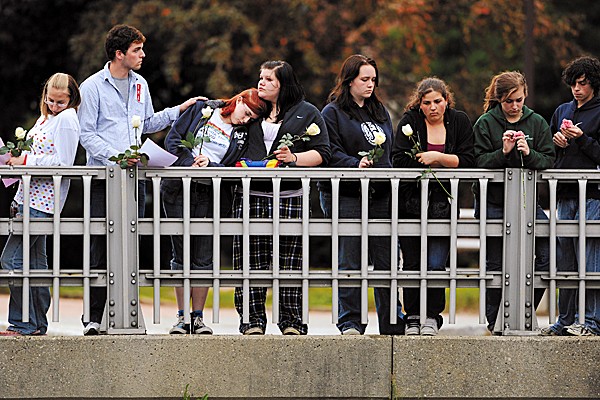
Remembering Charlie Howard on State Street Bridge, Bangor Daily News Photo
Bangor, ME – Charles O. “Charlie” Howard was drowned to death by three young men at 10 p.m. on July 7, 1984. His murder was the first full-blown hate crime murder against a gay person to be recognized as such in all of New England, if not the whole United States. The young men, Shawn Mabry, 16, Jim Baines, 15, and Daniel Ness, 17, ran him down on the State Street Bridge in the heart of downtown Bangor, beat and kicked him brutally, and then heaved him over the the railing into the Kenduskeag Stream below. Charlie screamed that he didn’t know how to swim. At 12:10 a.m. the next morning, police rescuers found his drowned body a few hundred feet from the bridge. A large eel had wrapped itself around his lifeless neck. An autopsy confirmed that he died of drowning, most probably hastened by a severe attack of asthma, a disease that had plagued Charlie all his life. He was 23 years old. The young attackers spent one night in jail, and then were released without bond into the custody of their parents. LGBT folk and their allies were galvanized by the murder of one of their own, and a fledgling equality organization started in the state in Charlie’s memory. Mabry, Baines and Ness were tried as juveniles, and sentenced to an “indeterminate term” in Maine Youth facilities in South Portland. Because of the nature of the law for juveniles, the convicts had to be released by their 21st birthdays. Mabry and Ness served 21 months apiece. Baines, the youngest, served two years. Fourteen years later, in 1998, Matthew Shepard was murdered on a ridge overlooking Laramie, WY, also because he was gay. Without what had been learned so painfully in the loss of Charlie Howard, there might very well have been no frame of reference for what happened to Matt. Echoes of Charlie Howard still reverberate in Maine. Bangor voted a non-discrimination ordinance protecting LGBT people. Laramie has not done so yet. Maine has a state hate crime law on the books, and the government is fairly scrupulous in enforcing it. Wyoming has never passed such a law protecting its LGBT citizens. Supporters finally won permission to erect a monument to Charlie near the bridge where he died. There is no such monument remembering Matt in Laramie. Matthew Shepard’s story is know around the world. Charlie Howard’s has remained pretty much a New England story. But Charlie’s story has changed lives for the better. And in sheer effect, his supporters have won more respect and practical protection for LGBT people in Maine and New England than Matt’s has yet to achieve in the nation as a whole. We at the Unfinished Lives Project remember lovely, goofy, maddening, flaming, edgy, and graciously generous Charlie Howard today. He did not die in vain. We must work to see to that, for him and for all the sons and daughters of America who died just because of who they were and whom they loved. Rest well, sweet brother. We have not forgotten you.
Dallas Marches to Remember Stonewall
 Dallas, TX – Hundreds rallied and marched through the skyscraper canyons of Dallas Sunday night to remember the 1969 Stonewall Rebellion, and to fight for human rights. The Stonewall Rebellion 41st Anniversary March and Rally formed at Founders Plaza near the famous JFK memorial, and marched though downtown Dallas, shouting “Harvey Milk was right/Come out of your closets and fight!” Marchers from throughout North Texas, as well as contingents from Lubbock and Tyler filled the streets with the sounds of activism. The route was chosen to maximize exposure to Dallasites throughout the downtown business and residential areas, and the sidewalks were lined with office workers, bus stop patrons, and café diners throughout the Main Street Corridor, even on a Sunday night. Media including the Dallas Morning News and the Dallas Voice, as well as other media outlets covered the event. Speakers including Jesse Garcia, C.D. Kirven, Michael Robinson, Nonnie Ouch, Rafael McDonnell, and Daniel Scott Cates gave powerful messages to the LGBTQ community as well as elected officials on the local, state and federal levels. They called for the overthrow of DOMA, the repeal of DADT, passage of a transgender-inclusive ENDA bill, and full Marriage Equality. The Rainbow Lounge Raid in Fort Worth last year was a continuing theme of the evening as well. Dr. Renee Baker of Youth First Texas called on marchers to support LGBTQ youth, especially in view of how vulnerable they are. Keynote speaker, Dr. Stephen Sprinkle, professor at Fort Worth’s Brite Divinity School, and Director of the Unfinished Lives Project, summed up the speeches with a call to remember Stonewall and act to expand human rights not only for the LGBTQ community, but also for other minorities, as well. Responding to the noisy Religious Right protestors who kept berating Rally attendees with loud preaching and scripture proof texting, Dr. Sprinkle reminded them that “whoever says they love God and hate their brothers and sisters is a liar, and the truth is not in them!” Spencer Young gave a moving testimony to those who have died violently at the hands of hatred and homophobia during the concluding Vigil portion of the program. He recounted the story of Nicolas West, murdered in Tyler in 1993 because he was gay. Tyler, he reported, has no memorial to West, who was shot multiple times by his murderers and left to die in a clay pit outside of town. But the Tyler community, where traditional values and negative attitudes toward LGBT people has predominated in the past, staged “The Laramie Project” in West’s honor, giving him a living memorial through the famous stage play recounting the aftermath of Matthew Shepard’s murder in Laramie, Wyoming.
Harvey Milk, Slain Gay Rights Pioneer, Honored Across the USA
 San Franciso, CA – May 22 marks the first official Harvey Milk Day by action of the State of California. Milk, the first openly gay or lesbian office holder in American history, was elected to the San Francisco Board of Supervisors in 1977. Because of his advocacy for LGBT rights, especially the citizens of his district, Harvey was affectionately known as the “mayor of Castro Street.” In 1978, he was gunned down a few minutes after Mayor George Moscone faced the same fate at the hands of disgruntled former city supervisor, Dan White. The story is compellingly told by the Academy Award winning film, “Milk,” whose screen writer, Justin Lance Black and whose leading actor, Sean Penn, both received Oscars. In 2009, he was posthumously awarded the Presidential Medal of Honor. Milk’s legacy is immense, and it is only fitting that he is immortalized by this rare distinction in the Golden State. Only John Muir has been so honored in California before Harvey. Milk is the only gay person whose memory is enshrined in a day of festivities, education, activism, and remembrance statewide. Notable among his words was the famous line he used so often to open his speeches, “I’m Harvey Milk, and I’m here to recruit you!” Today, as California and and the nation at large struggle with the full inclusion and equality of LGBT people, racial ethnic minorities, women, and immigrants, nothing could be more pertinent than to recall Harvey’s life, and the qualities of passion and advocacy that continue to inspire and convert us to the cause of justice for all people. First, Harvey Milk was not a quitter. He ran unsuccessfully for public office multiple times, but refused to quit. The race for the finish line of justice is long, a relay, not a sprint, and he stayed the course until the voters caught up to him and to his vision of equality. Second, He refused to remain protected by the dubious security of the closet. Openly and publicly, Harvey owned his identity and culture as a gay man before the world. He called upon gays and lesbians everywhere to come out to everyone they knew, family, friends, co-workers, fellow students. He knew that when LGBT people are known as the real human beings we are, it is harder to discriminate against us than if we are mysteriously hidden by fear. Third, he demanded respect and full equality. Harvey knew that inequality for some of us–gay people, seniors, women, Asians, teamsters, youth–meant inequality for all of us. In his name, we should never support candidates or policies that compromise on equality for all. Rights are for all Americans alike–full rights, equal rights. Fourth, Harvey Milk understood that political and social justice is all about hope. “You gotta give ’em hope,” was Harvey’s most memorable mantra, and it remains true for today. Hope for justice is not about optimism. Optimism is shallow and may be easily frustrated by the unfairness of systems and circumstances. Hope, on the other hand, is realistic and muscular. Hopeful people are anything but passive. They are engaged, as Harvey was, in the effort to make the world a better place, for hope’s sake. Saturday, May 22 marks what would have been Harvey Milk’s 80th birthday. He died an untimely, violent death. But his life and legacy have paved the way for a better America, a more hopeful present, and full equality just over the horizon. That is why in cities and towns all across the United States, Harvey’s hope is rippling out, expressed in events, festivals, teach-ins and social justice rallies to remember the Mayor of Castro Street. Happy Birthday, Harvey! Happy Harvey Milk Day to us all!
Remembering the Mothers of Our Dead: A Special Comment

Pat Mulder at her son Ryan's graveside (photo credit unknown)
Mother’s Day is just around the corner. For the women who have lost children to the unreasoning hatred of LGBT hate crimes, this may be the most trying holiday of the year. Perhaps it is because I have met so many of them in the course of my travels and research, but I feel a particular debt of gratitude for the courage and loving tenacity of such great women, everyday, of course, but on this day of the year most of all. I cannot tell you how much I admire these mothers, and the other women related by blood ties and choice to the women and men who died because of hatred. All of them: the ones who kept their griefs private and out of the public eye, as well as those who found their voices to speak out for justice and against hate. But is especially for those mothers and grandmothers, aunts and sisters who have become advocates for us that I feel a keener debt of gratitude. None of these remarkable women dreamed they would ever become advocates for LGBT rights. Outrageous fortune and the deeds of malevolent ignorance forced them to face the worst prospect a mother could possibly face: the loss of a child to hate crime violence. All they wanted to do was grow old loving the children they brought into the world. But the long, crooked arm of homophobia and transphobia reached into their family circles and broke those circles apart. One by one, these brave women have found their voices, raised them in courtrooms, on the steps of city halls, in PFLAG meetings, at Pride events and vigils, before the glare of television klieg lights, and in the halls of Congress. These are the redoubtable women who refuse to let us forget their children, and refuse to let themselves or us rest until justice for everybody’s child finally comes to pass in this nation. They are the staunchest allies the LGBT community has, becoming the mothers of queer kids everywhere. Since they come from out of every class, religious tradition, ethnic background, status cohort, racial group, and region of the country, no single woman can possibly sum up them all. But when Elke Kennedy speaks out in South Carolina for her son, Sean, when Pauline Mitchell appeals to us not to forget her two spirit boy, F.C. in her Navajo gentleness, when Billy Jack Gaither’s sister Kathy Jo pushes her scooter chair toward the podium in Montgomery, Alabama, and when Pat Kuteles refuses to let the U.S. Army get off lightly for the death of her dear Barry, somehow all the women united by such pain gather with them and stand beside them. When Sylvia Guerrero, mother of transwoman Gwen Araujo, spoke in October 2009 on what would have been her daughter’s 25th birthday, she called upon us to honor our LGBT dead by reaching out to bring about a better world, “Light a candle, release a balloon, or do a good deed for someone less fortunate than yourself. Thank you for keeping [Gwen’s] memory alive after 7 years” (Examiner.com). The least that we can do is to honor the witness of these remarkable women by joining the struggle of justice and remembrance ourselves…and then one thing more. We can reach out to these women with our love, as a Psychology Today article suggests we do: “People get so uncomfortable and often feel the need to ‘error on the side of caution’ so as to not upset the person they care so much about. This, however, often leaves the mom simply feeling forgotten. A card, a phone call – even an email – wishing her a happy Mother’s Day can go farther than you could ever know. While she’s on her own path of redefining where she now “fits” on this day, you are helping her to know. She fits where every other mother fits – in the spotlight. She’s still a mom, and she still needs to know that she is viewed this way by everyone else.”
Pat Mulder, Ryan Skipper’s mom, once told me that for a grieving mother who buried her slain child, “there is no closure.” She and her husband, Lynn, soldier on, turning their sorrow into advocacy, wrapping their arms around gay and lesbian kids wherever they go to let them know everyone deserves to be remembered and loved. On this Mother’s Day, reach out to the women (and men} who have borne so much, and remind them with acts of loving kindness that like their children, they, too, are not forgotten. ~ Stephen Sprinkle, Director of the Unfinished Lives Project
The Long Ordeal of Craig Cohen
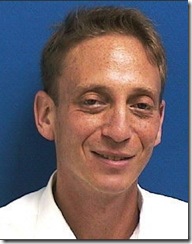 Fort Lauderdale. Florida – Over a year ago, Craig Cohen, 47, “the little guy with a big heart,” lost his life to a gay-bashing. He died October 7, 2009 in a coma from complications suffered from the fatal attack that crushed his skull in Oak Park on April 6. Since the night of his assault, Cohen never regained consciousness. Surrounded by his human family and friends, and the rescue animals who were his beloved “kids,” gentle Craig breathed his last in a hospice room. Six brain surgeries failed. The awful vigil by his bedside had come to a close. But the Ordeal of Craig Cohen is far from over. The four young men accused of attacking him, Pargu Leandro, 25, Victor Gonzalez, 21, Brandon Edwards, 19, and Chad Olah, 18, are still in the Broward Sheriff’s Main Jail, charged with first-degree murder. The courts, according to fresh reports on the Facebook honor site, “Love for Craig Cohen,” are moving at a glacial pace, plagued by motions to postpone hearings. Nothing can be resolved until two things are finally accomplished: First, the trials must bring to light the facts and the motives that prompted these four suspects to target Cohen and a second victim, David Villanova, and brutally beat these two gay men who were each alone and vulnerable on a dark street. The quartet are charged with stomping in Cohen’s face and skull, crushing his facial bones, blinding him, leaving him paralyzed and severely brain damaged. Reports suggest that the suspects took turns kicking him, laughing about what they were doing to the little man. The Broward Sheriff’s Office has considered this attack a robbery, and has investigated it that way, although the alleged robbers never stole a thing from Cohen. His Facebook friends write, “when Craig was found and taken to Broward General, he had his wallet, credit cards, cash and his watch.” Apparently one of the attackers kicked his cell phone out of his hand as he was trying to call 911. According to a report given to the Broward Palm Beach New Times, one of the bashers lifted the phone and gave it to a homeless man down the street. As the informant said to BPBT, that “doesn’t sound like a robbery to me.” From the beginning, his friends have firmly believed that their beloved Craig was killed because he was gay. Second, the cause Craig Cohen dedicated his life to must be supported: his determination to provide shelter and a home for animals who lost their human parents due to illness or sudden death. Craig was a long-time senior employee of the school board. He had barely a year to go before he could retire with 25 years under his belt, and open the shelter of his dreams. Since he was a boy, Craig had loved and rescued animals. He had purchased a tract of land out in the country in northern Florida for his animal sanctuary. Craig left behind his dog Eddie and his five indoor cats, orphaned by his death, just as the many pets left behind after the deaths of other human parents had been. Eddie was adopted by close friends. The cats, some of them 14 years old, were harder to place. The Craig Cohen Animal Advocacy Project (CCAAP), http://www.petprojectforpets.org, has been founded in Craig’s memory to find new parents for orphaned animals, in fulfillment of this gentle gay man’s dream. The LGBT community of Wilton Manors and Fort Lauderdale miss Craig Cohen. So do the food banks, the homeless shelters, and the animal protection agencies he worked so tirelessly to support. Craig will have his day in court, many days to come, it seems. Craig’s cause has found and will continue to find support among those who loved him, and those of us who have come to admire the “little guy with the big heart.” But his ordeal will not be over until senseless attacks against LGBT people in Florida and around the nation finally cease, and in their place we finally learn to treat each other at least as mammals, and not as things.
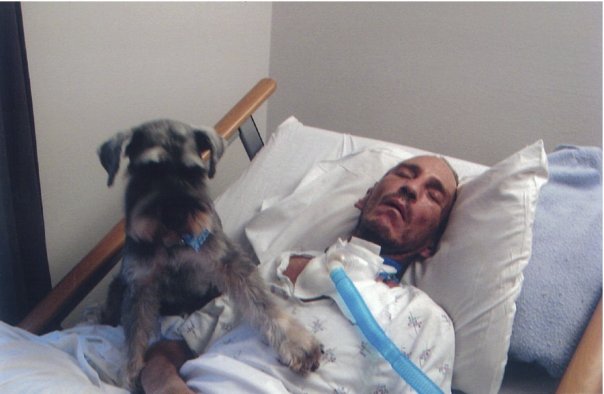
In the hospice, with his beloved Eddie
About
If you are a first-time visitor to the Unfinished Lives Project website, we invite you to read A Welcome Message introducing you to our project. We are truly grateful for your visit.
The Unfinished Lives Project website is a place of public discourse which remembers and honors LGBTQ hate crime victims, while also revealing the reality of unseen violence perpetrated against people whose only “offense” is their sexual orientation, gender identity, or gender presentation. LGBTQ people in the United States are suffering a slow-rolling decimation of terror and murder all across the country. Every locale and demographic of society are affected: First Nations, Anglo, Black, Latino and Latina, South and Southeast Asian, Transgender, Bisexuals, Gay men, Lesbians, disabled, young, and mature. Homophobia has a long, crooked arm, and it is reaching out to snatch the life away from women and men whose tragic stories are under-reported to begin with, and whose memories are swiftly forgotten.
The horror of these killings transcends the shock and bereavement of loved ones and friends. These are not typical homicides; they are not killings for money or drugs, incidents of domestic strife, or crimes of passion. The vicious nature of hate crimes against LGBTQ persons is extremely brutal, grotesquely violent, and egregiously hateful.
Each murder serves the LGBTQ population as a sobering warning about the actual level of danger in our communities. The message these killings send is that freedom and open life for LGBTQ people is a cruel dream. Every time we remember one of these victims, however, the intentions of their killers are frustrated. To remember these women and men is to begin the process of changing the culture that killed them.
Our Project Director
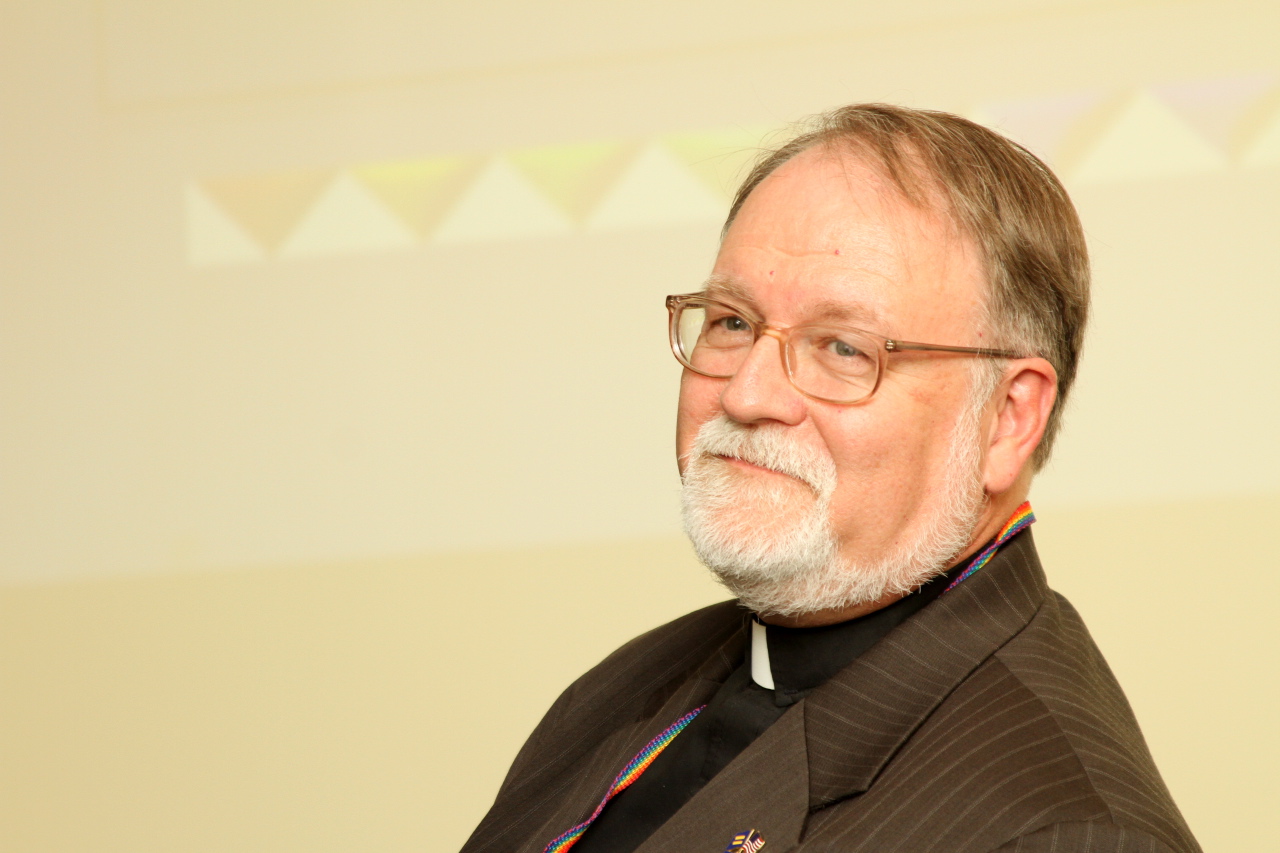
Dr. Stephen V. Sprinkle (Keith Tew photo).
Stephen V. Sprinkle is Director of Field Education and Supervised Ministry, and Professor of Practical Theology at Brite Divinity School, Fort Worth, Texas, a post he has held since 1994. An ordained Baptist minister, he is the first open and out Gay scholar in the history of the Divinity School, and the first open and out LGBTQ person to be tenured there. Read More…
Recent Social Justice Advocacy Activity By Dr. Sprinkle
 Summer 2009 – Dr. Sprinkle responded to the Fort Worth Police Department and Texas Alcoholic Beverage Commission Raid on the Rainbow Lounge, Fort Worth’s newest gay bar, on June 28, 2009, the exact 40th Anniversary of the Stonewall Rebellion. Dr. Sprinkle was invited to speak at three protest events sponsored by Queer LiberAction of Dallas. Here, he is keynoting the Rainbow Lounge Protest at the Tarrant County Courthouse on July 12, 2009. Read More…
Contact Us
Communicate with the Unfinished Lives project team:
info@unfinishedlivesblog.com


Schedule a Presentation
Dr. Sprinkle will gladly present his acclaimed presentation to your organization. To arrange an Unfinished Lives presentation for your organization or group, please contact us.
Dr. Sprinkle has given his Unfinished Lives presentation to these and other community groups and organizations. Read More…
-

Where are our readers?
Publisher: Steve Sprinkle (Project Director)
Steve Sprinkle
Unfinished Lives: Remembering LGBT Hate Crime VictimsBrite Divinity School/Texas Christian UniversityFort Worth TXprofessor, minister, author, blogger, LGBTQ advocate


Follow Unfinished Lives on Facebook
 Box Turtle Bulletin
- An error has occurred; the feed is probably down. Try again later.
- HRC Back Story
- Know About The Gender Identity Movement
- Why Is There A Need For Human Rights?
- Kinds Of Human Rights
- Human Rights Purposes And Violations
- Human Rights For Every Human Incident
- 8 Reasons Human Rights Are Important
- Everything About Human Rights
- Human Rights Issues Education & Law
- We Need To Stand Up For Our Rights And Those Of Others
- Coca-Cola Receives Perfect Score On Human Rights
- The Advocate: Daily News
- Transgender Latina beaten outside Washington LGBTQ+ bar after helping man recalls attack
- Georgia educator says she was forced to resign after telling student she’s gay
- Ohio teacher sues over removal of ‘Hate Has No Home Here’ poster
- Texas wants Bibles in public classrooms as another way to bully, harm, and exclude LGBTQ+ kids
- These anti-LGBTQ+ Georgia Republicans did drag themselves, unearthed photos show
- Idaho said no Pride flags permitted. Boise said watch this
- Advocate newsletter 4/8/26
- Trump halts Iran strikes ‘for two weeks’ at last minute, claims ceasefire
- Urgent 25th Amendment calls grow after Trump threatens mass destruction of Iran's civilization
- Trump’s gay ‘special envoy’ Ric Grenell eyes ambassador to Russia position
- Dallas Voice: Instant Tea
- An error has occurred; the feed is probably down. Try again later.

 Unfinished Lives
Remembering Matthew Shepard on the 12th Anniversary of His Murder
~ Stephen V. Sprinkle, Director of the Unfinished Lives Project
Share this:
October 12, 2010 Posted by unfinishedlives | anti-LGBT hate crime murder, Bisexual persons, Bullying in schools, Colorado, gay men, gay teens, Gender Variant Youth, harassment, Hate Crimes, hate crimes prevention, Heterosexism and homophobia, Law and Order, Legislation, Lesbian women, LGBT teen suicide prevention, LGBTQ suicide, Matthew Shepard, Matthew Shepard Act, Matthew Shepard Foundation, Media Issues, Remembrances, Sakia Gunn Film Project, Social Justice Advocacy, Special Comments, transgender persons, transphobia, Wyoming | anti-LGBT hate crime murder, Bisexual persons, Bullying in schools, Colorado, gay men, gay teens, Gender Variant Youth, harassment, Hate Crimes, hate crimes legislation, Law and Order, Lesbians, LGBTQ suicide, LGBTQ suicide prevention, LGBTQ teen suicide, Matthew Shepard, Matthew Shepard Act, Matthew Shepard Foundation, Media Issues, Remembrances, Sakia Gunn Film Project, Social Justice Advocacy, transgender persons, transphobia, Wyoming | 1 Comment